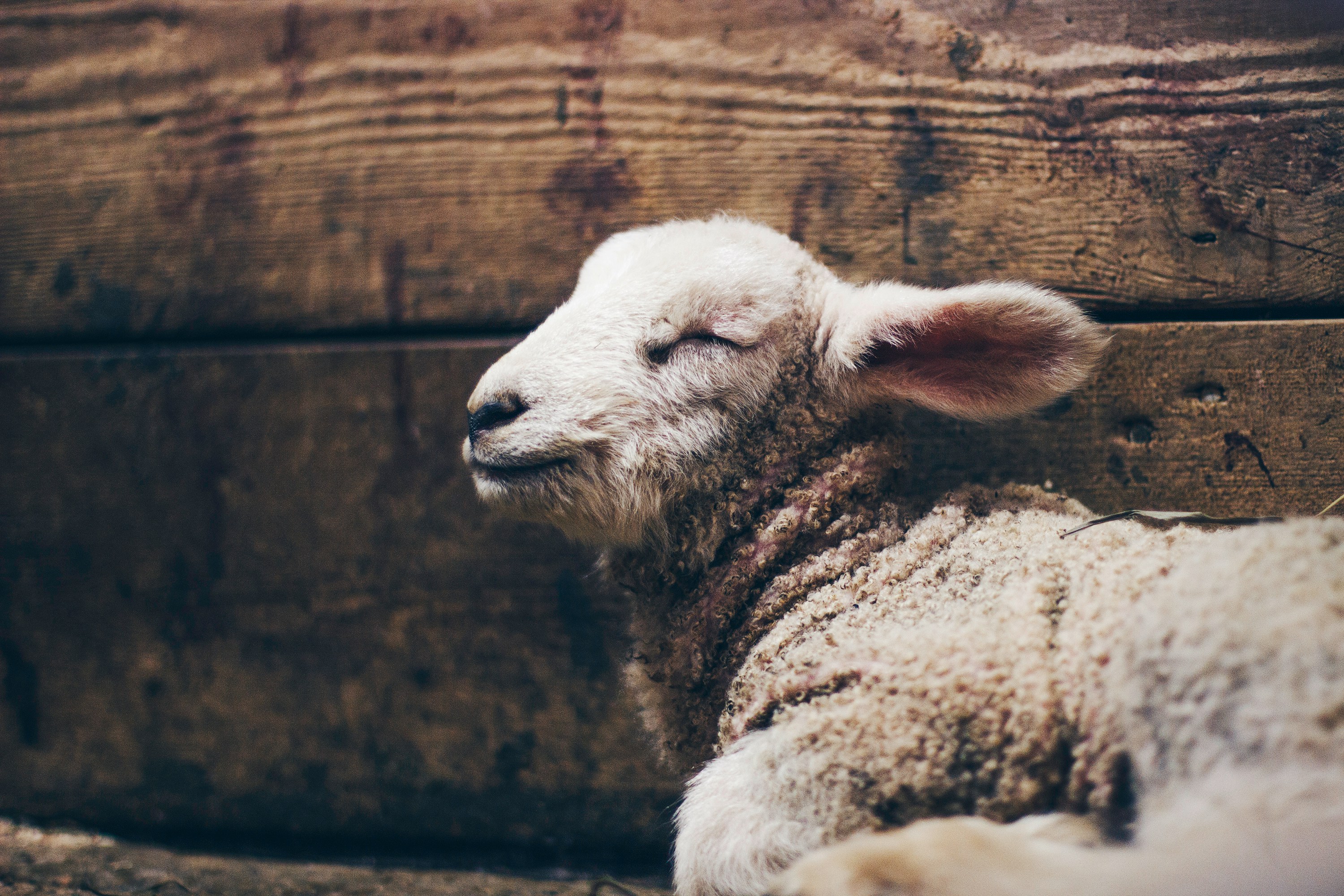
Follow the Lamb
Follow the Lamb
In the book of Revelation, Jesus is revealed as the Lamb of God, a title that echoes John the Baptist's declaration (John 1:29). This imagery is not new, as we find its roots in the Old Testament, particularly in the book of Exodus, where God commands the Israelites to sacrifice a lamb as a symbol of redemption (Exodus 12:3-6). The lamb represents innocence, purity, and the shedding of blood as a substitute for human guilt. In Revelation, Jesus assumes this role, demonstrating His willingness to take on the consequences of humanity's sin.
This image is a stark contrast to the traditional understanding of God as a god of war, who wages battles and demands obedience through fear. The Lamb of God, on the other hand, embodies the qualities of love, compassion, and selflessness. He is the one who takes on the weight of humanity's sin, rather than demanding retribution. This understanding of God's character is not limited to the book of Revelation but is a fundamental aspect of His nature, as revealed throughout the Bible.
Jesus' sacrifice on the cross is not a display of God's wrath but rather an expression of His love for humanity.
The Lamb of God represents the ultimate sacrifice, demonstrating God's willingness to give His own life to redeem humanity.
God's restoration of all things is not a punitive measure but a loving act of redemption, aimed at restoring humanity to its original purpose and relationship with Him.
As we follow the Lamb, we're invited to experience the depths of God's love and the hope of restoration. This is not a static image but a living, breathing reality that continues to unfold in our lives. By embracing the Lamb of God, we're empowered to live out our faith with compassion, kindness, and humility, reflecting the love of God to a world in need.